


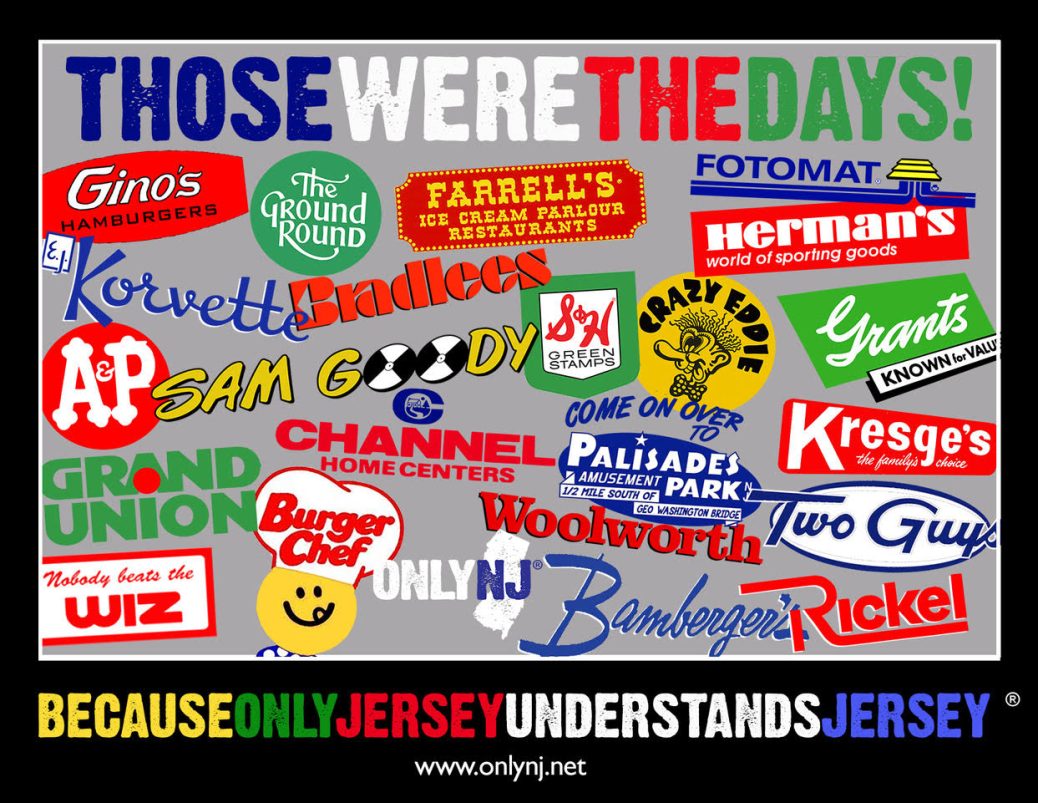
Those Were The Days: 22 Places New Jersey Grew Up With
If you grew up in New Jersey a few decades ago, everyday life revolved around places that slowly disappeared without most of us noticing.
They were the stores your parents dragged you to on Saturday mornings. The restaurants where birthdays somehow always ended in cake and chaos. The mall spots where you’d wander for an hour and leave with nothing.
At the time, most of them felt permanent. Now they’re mostly just memories you don’t think about until you hear the name again.
Here are 22 stores and places that shaped growing up in New Jersey.
Bamberger’s
Before it became Macy’s, Bamberger’s was the department store. If you went to the mall, you ended up there at some point – usually waiting around while your parents looked at something you didn’t care about.
The elevators, the crowded racks, the feeling that the store went on forever – it was all part of the routine. By the late 80s the name changed, but for a lot of people, it never really stopped being Bamberger’s.
Bradlees
Bradlees was where you went when you needed a little bit of everything and didn’t want to spend a lot doing it. School supplies, random clothes, toys you’d beg for and not get – it was all there.
You could easily lose track of time wandering those aisles while your parents compared prices. When the chain shut down in 2001, a lot of those spaces just felt… off after that.
Caldor
Caldor had that classic 80s/90s department store feel – bright lights, wide aisles, and a toy section that always seemed a little bigger than you remembered.
Kids would head straight there while parents drifted off toward housewares or electronics. When Caldor disappeared in the late 90s, it left a noticeable gap, especially in smaller shopping centers.

Two Guys
The name never really made sense, but everyone knew it anyway.
Two Guys “from Harrison” started small in Jersey and grew into something much bigger. Their stores were known for having just about every department imaginable under one roof. Of course, they had the basics – clothing, groceries, toys, jewelry, hardware, and more. But what really set them apart were the unique extras like small bowling alleys, kiddie rides, hot dog carts, and arcades. Some locations even had full bars!
It had that slightly chaotic, “we sell everything” vibe. By the early ’80s, it was gone, but people still remember just how much was packed into those stores.
Korvette’s
Korvette’s was ahead of its time – discount shopping before that was really the norm. You could find brand-name items for less, which made every trip feel like you were getting away with something.
For shoppers in the 60s and 70s, it wasn’t just convenient – it felt smart.
Woolworth
Before malls took over, Woolworth was part of downtown life. You’d go in for something small and end up sitting at the lunch counter for a quick bite.
That mix of shopping and just… hanging out a little made it different. It wasn’t rushed. It was part of the day.
Grants
Grants had a little bit of everything – clothes, toys, household stuff – and always felt busy. The bright signage, the packed aisles, the constant movement.
Even after it disappeared in the 70s, a lot of people can still picture exactly what those stores looked like inside.
Crazy Eddie
Even if you never stepped foot in the store, you knew Crazy Eddie.
Those commercials were everywhere – fast, loud, slightly chaotic – and somehow you remembered every second of them. “His prices are insane!” wasn’t just a slogan, it was basically part of growing up around here in the 80s.
The Wiz
Before online shopping – or even big modern chains – The Wiz was where you went for electronics. Rows of TVs all playing the same thing, stacks of stereo systems, shelves of early gaming gear.
And somehow, everyone knew the slogan: “Nobody Beats the Wiz.” It stuck.
Sam Goody
When you were a teenager in the mall, you ended up in Sam Goody at some point – even if you had no money.
You’d flip through vinyl, CDs or tapes, maybe listen to something new, maybe not buy anything at all. It wasn’t about the purchase half the time, just looking at the album covers was mesmerizing.
Herman’s Sporting Goods
Herman’s always had that slightly rubbery, new-equipment smell the second you walked in. Baseball gloves, basketballs, fishing gear – whatever you needed for the weekend was probably there.
For a lot of families, it was a stop before a season started or a backyard game got serious.
Rickel
Rickel felt local, even when it was big. If something needed fixing, painting, or building, that’s where you went.
You’d walk in for one thing and leave with three, plus a vague plan to finish a project “sometime this weekend.”
Channel Home Centers
Channel was another go-to for home improvement, especially before the national chains took over everything.
It had that no-frills feel – just shelves, supplies, and people trying to figure things out as they went. When it disappeared, it kind of marked the end of a certain era of DIY shopping.
Grand Union
Grand Union was just part of the neighborhood. Not flashy, not special – just where you went for groceries because it was there and it worked.
It had been around forever, and then gradually, it just wasn’t anymore.
Kresge’s
Kresge’s was one of those simple, do-a-little-of-everything stores. You’d find small household items, candy at the counter, and maybe a toy if you were lucky.
It also had that classic lunch counter feel – a place where people actually sat down and took a break. Nothing flashy, but a staple of everyday life.
A&P
For generations, A&P was the grocery store. You didn’t think about it – you just went.
The aisles, the checkout lines, the weekly routine – it was all baked into everyday life. When the last stores closed in 2015, it felt like something much older than a grocery chain had ended.
Gino’s Hamburgers
Gino’s had that classic, straightforward fast-food feel – nothing fancy, just burgers, fries, and a place to sit down with family.
A lot of locations eventually became Roy Rogers, but if you remember Gino’s, you remember it as its own thing.
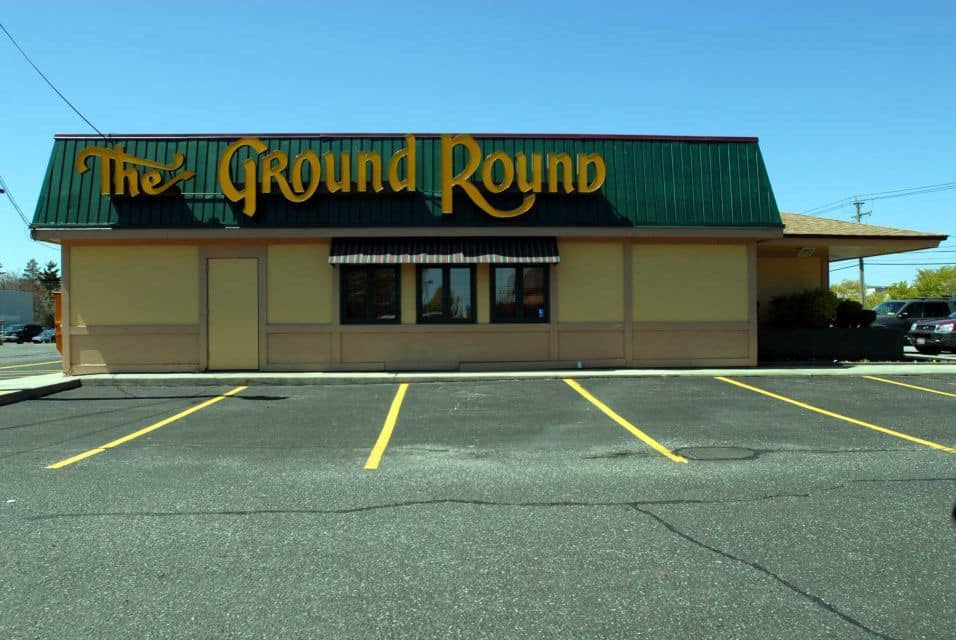
The Ground Round
The Ground Round felt like a reward. You’d go there after a game, a recital, or just because it was the weekend.
And yeah – some locations let you throw peanut shells on the floor, which felt completely normal at the time and completely insane now.
Burger Chef
Before the fast-food landscape turned into what it is now, Burger Chef was a major name.
It was one of those places families just went – simple, familiar, and everywhere for a while. Then, almost without noticing, it wasn’t.
Farrell’s Ice Cream Parlour
Farrell’s wasn’t just ice cream – it was a full-on event.
Birthday parties turned into noise, drums, sirens, and giant sundaes being carried across the room while everyone stared. It was loud, a little chaotic, and exactly what made it fun.
S&H Green Stamps
You’d get the stamps at checkout, bring them home, and stick them into those little books one by one.
It took forever to fill them, but once you did, you could trade them in for something real. It sounds slow now, but at the time, it just felt normal.
Palisades Amusement Park
Back in its day, few places drew a crowd like this one. Sitting right along the Hudson in Fort Lee, it pulled in crowds with rides, games, music, shows and that jingle everyone still remembers.
Even decades after closing in 1971, it still comes up in conversations like it was yesterday.
Fotomat
Fotomat booths sat out in parking lots, small and easy to miss if you weren’t looking for them.
You’d drop off a roll of film, wait a few days, and come back hoping the pictures actually came out. No previews, no retakes – just whatever you got.
Those Really Were the Days
New Jersey doesn’t stay the same for long. Stores close, malls change, and the places you thought would always be there slowly fade out.
But every now and then, you hear a name like Bradlees or Sam Goody, and it all comes back for a second.
They weren’t just stores, you kind of measured time around them. And once they were gone, things never felt quite the same…
This state has history – we’re just putting them on cotton.


